
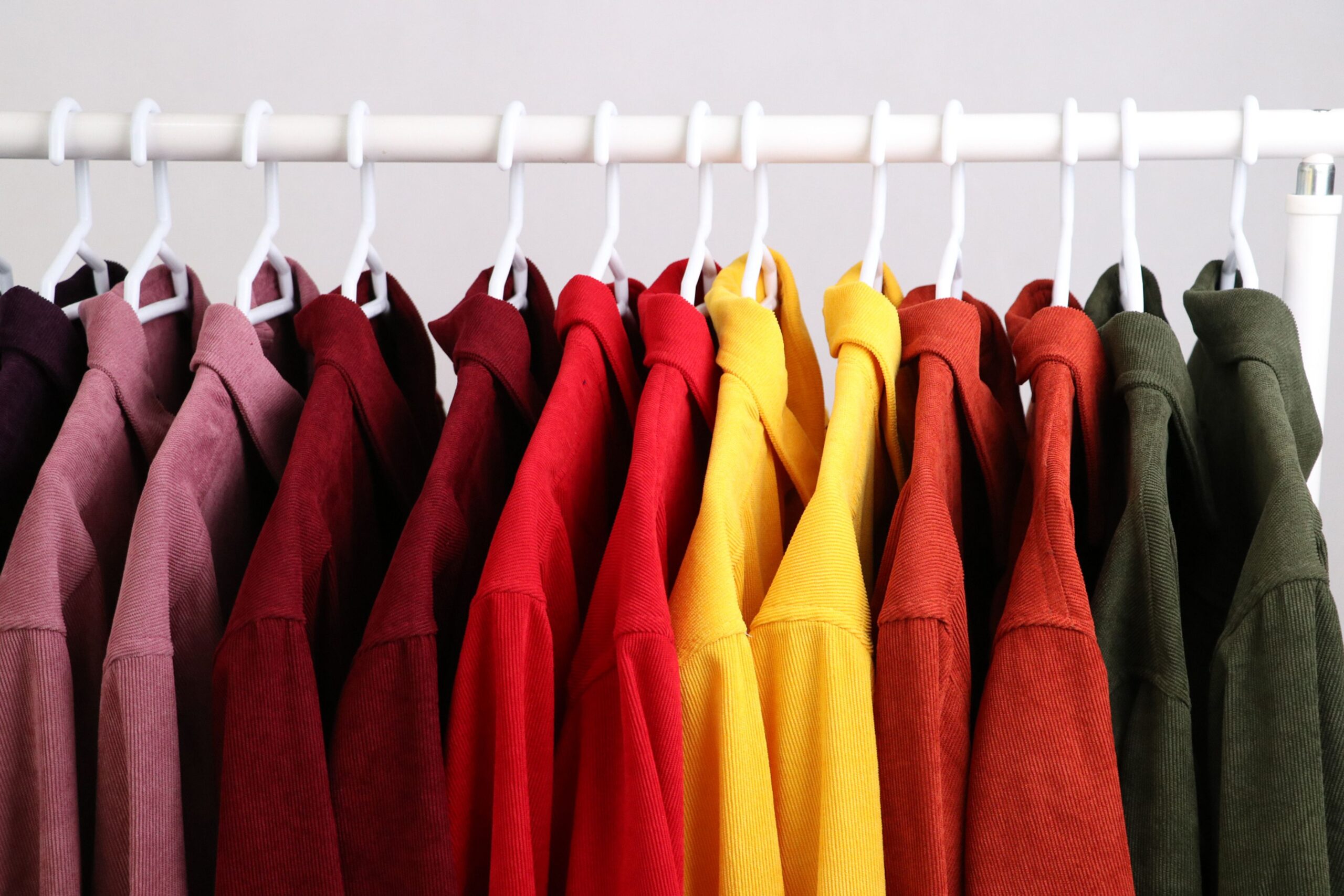
A wardrobe becomes much easier to use when the color combinations inside it work together. If you’re building a more versatile wardrobe, our guide explains how to choose pieces that work together effortlessly. This does not mean every piece has to match perfectly or that you need to dress in neutrals every day. It simply means choosing colors that can be combined in different ways without making every outfit feel like a separate decision.
Understanding the best color combinations for clothing can help you create a wardrobe that feels more connected, versatile, and easier to wear. Instead of relying on trends, building a wardrobe around colors that naturally work together makes getting dressed simpler and helps you create more outfit options from fewer pieces.
Look at the Colours You Already Wear
Before creating a new palette, open your wardrobe and look at the pieces you wear most often. Ignore the items you bought because they looked good in the shop but rarely wear. Focus instead on the clothes that actually make it into your everyday outfits.
You may notice that certain colours appear repeatedly. Perhaps most of your wardrobe is built around black, grey and white. Maybe you naturally choose navy, cream and brown. Or perhaps olive, beige and denim appear again and again.
These repeated shades are useful because they already reflect your habits and personal style. A wardrobe colour palette should not be based only on what looks attractive together. It should also reflect the colours you genuinely feel comfortable wearing.
Choose Two or Three Core Colors for Easy Color Combinations
Once you understand what you already wear, choose a small number of colours to act as the foundation of your wardrobe. These are your core colours.
For many people, this might include shades such as: black, navy, charcoal, cream, beige, brown or white. Core colours usually appear in pieces you wear frequently, such as trousers, coats, jackets, knitwear and shoes.
They do not need to be identical shades. A wardrobe can contain several versions of brown, for example, while still feeling visually connected. Choosing a few strong foundation colours also makes shopping easier. When considering something new, you can immediately ask whether it works with the colours already dominating your wardrobe.
Add Supporting Colours
A wardrobe built only around neutrals can be extremely versatile, but that does not mean it needs to stay completely neutral. Supporting colours add personality without making your wardrobe difficult to combine.
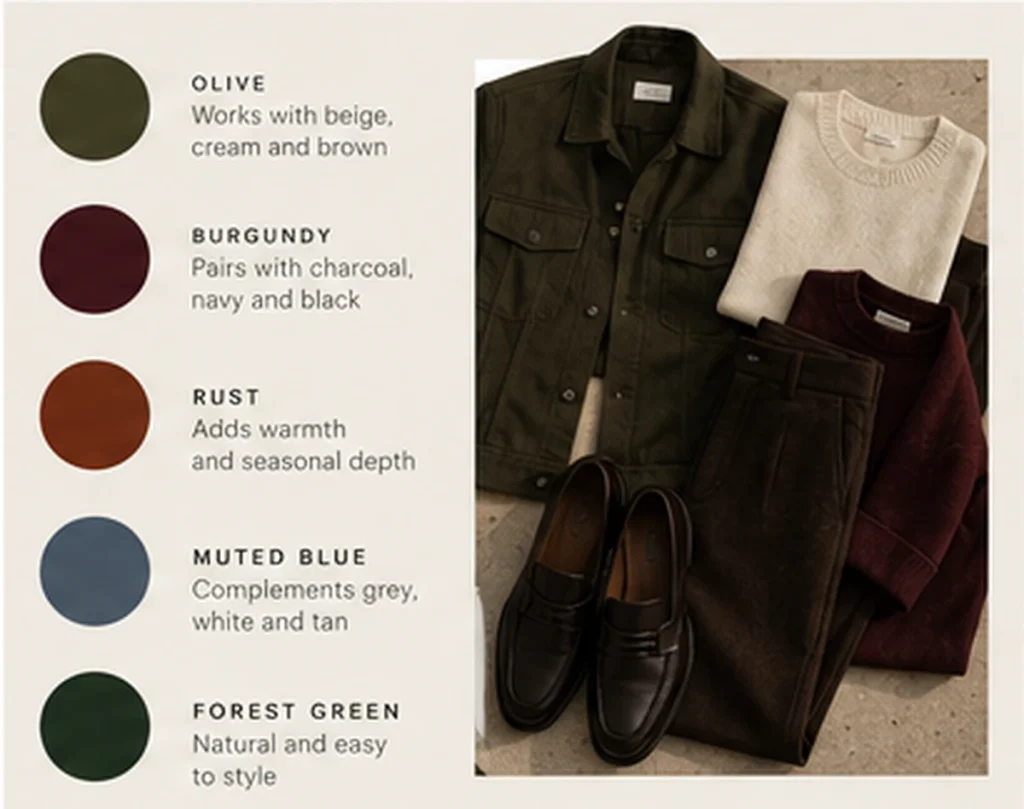
Olive, burgundy, muted blue, rust and forest green can all work well alongside more neutral pieces. The key is to choose colours that connect naturally with your existing palette.
For example, olive works easily with beige, cream and brown. Burgundy pairs well with charcoal, navy and black. Muted blue can sit comfortably beside grey, white and tan.
Strong clothing color combinations often work because one colour provides the foundation while another adds contrast.
Think in Outfits, Not Individual Pieces
One of the easiest mistakes when shopping is evaluating every item on its own. A shirt may look good by itself, but that does not necessarily mean it will work with the rest of your wardrobe.
Instead, think about complete outfits. Before buying a new piece, imagine at least three combinations using clothes you already own. If you are considering a camel jacket, for example, ask whether it works with your navy trousers, white T-shirt and cream knitwear. If the answer is yes, the jacket becomes part of several possible outfits rather than one isolated look.
This is where a consistent colour palette becomes particularly useful. When colours work together, individual pieces become easier to combine.
Use Contrast Carefully
Colour contrast can make an outfit more interesting, but it does not always need to be dramatic. Black and white create strong contrast. Navy and cream feel softer. Brown and beige create an even more subtle effect. The amount of contrast you choose can change the overall mood of an outfit.
Higher contrast often feels cleaner and sharper, while lower contrast tends to look softer and more relaxed. Neither approach is better. The important thing is understanding what kind of visual balance you prefer. f you’d like to learn more about the basics of color theory, the Adobe Color Wheel is a useful tool for exploring complementary and analogous color combinations.
If an outfit feels too flat, adding a darker jacket or different-coloured shoes may be enough. If it feels too busy, removing one strong colour can make everything feel more connected.
Let Texture Do Some of the Work
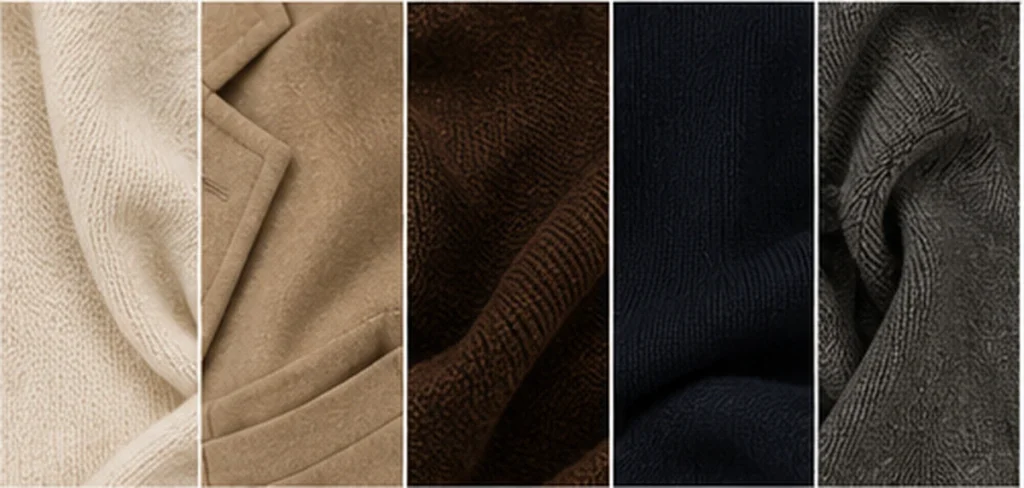
When working with a smaller colour palette, texture becomes more important. An outfit built around cream and brown can still feel interesting when it combines wool, cotton, leather and denim. This is one reason neutral wardrobes do not have to look boring.
A cream knit has a completely different effect from a cream T-shirt. Brown suede feels different from smooth brown leather, even though both pieces belong to the same colour family.
Texture creates variation without requiring additional colours.
This can be especially useful if you prefer minimalist or understated clothing.
Create Your Own Reliable Colour Combinations
You do not need dozens of combinations. A small number of dependable pairings can make everyday styling much easier.
For example:
- cream with brown,
- navy with white,
- grey with black,
- beige with olive,
- navy with camel.
Once you discover combinations that work for you, repeat them. Repetition is not a problem. In fact, it is often how personal style develops.
Over time, these familiar combinations create consistency across your wardrobe while still allowing you to experiment with individual pieces.
A Wardrobe That Works Together
A useful wardrobe is not defined by how many colours it contains. It is defined by how easily the pieces can work together.
By identifying the colours you already wear, choosing a few core shades and adding supporting colours carefully, you can create a wardrobe that offers more outfit possibilities with fewer difficult decisions. Building these color combinations becomes even easier when your wardrobe is based on timeless essentials. Read our article for more ideas.
Good clothing color combinations should make getting dressed simpler, not more complicated. Start with what you already own, pay attention to the combinations you naturally repeat and build your palette gradually.
The result should feel less like following a colour rule and more like developing a visual language that is your own.
Leave a Reply