

Some of the most useful clothing care tips have little to do with shopping. A favourite shirt can lose its shape, a sweater can look tired, and a well-fitting pair of trousers can wear out sooner than expected when everyday care is rushed. Learning a few simple habits helps you enjoy the pieces you already own for longer.
Taking care of clothes does not need to become an expensive hobby or a complicated system. Small decisions about washing, drying and storage can make a real difference to how your wardrobe looks and feels. The seven ideas below focus on practical clothing maintenance that fits into everyday life.
1. Read the Care Label Before Washing
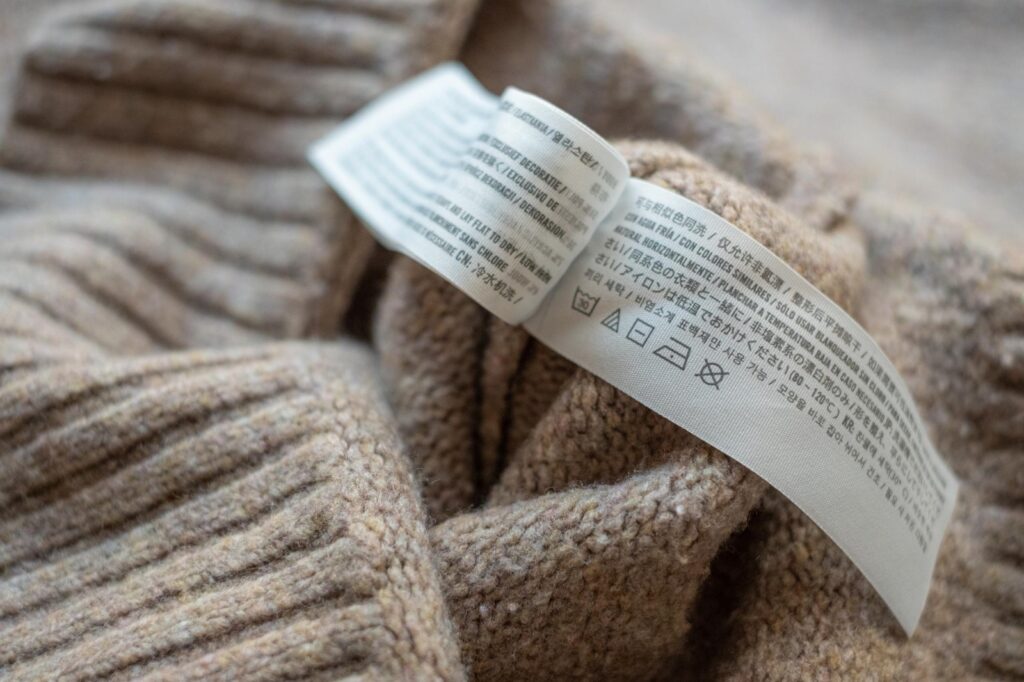
The first step is surprisingly easy to overlook: look at the label inside the garment. Two pieces that appear similar may need very different treatment because of their fibres, linings, dyes or decorative details. A cotton shirt, a wool jumper and a tailored blazer should not automatically go through the same wash cycle.
Pay attention to washing temperature, drying recommendations and whether professional cleaning is required. The symbols can seem confusing at first, but it becomes easier once you recognise the common ones.
Among all clothing care tips, reading the label first is one of the simplest ways to avoid preventable mistakes.
2. Wash Clothes When They Need It
Not every item needs to be washed after the same amount of wear. A shirt worn during a hot day or a workout may need prompt laundering, while a jacket worn briefly over clean clothing might simply need airing. Use the garment’s condition, hygiene needs and care instructions to decide.
When it is time to wash, avoid treating every fabric in the same way. Turn appropriate garments inside out, close zips that could catch other fabrics and use the cycle recommended by the label. For delicate items, a gentler programme or a suitable laundry bag may help reduce unnecessary friction.
The goal is not to avoid washing. It is to clean clothes properly without exposing them to more wear than needed.
3. Deal With Small Stains Early
A coffee splash or a little makeup on a collar does not automatically mean the whole item is ruined. Addressing a spot early can make it easier to care for a garment, but the correct method depends on the fabric and the stain.
Start by checking the care label. Gently blot a fresh spill rather than rubbing it into the fibres, and test an appropriate cleaning method on a discreet area before treating a visible mark. Avoid harsh products on delicate materials, and use professional cleaning when the label calls for it.
Having a realistic stain-care habit can be more useful than buying another replacement item whenever an accident happens.
4. Dry With the Fabric in Mind
Drying is an important part of clothing maintenance. Some garments can go in a tumble dryer under the conditions shown on their labels; others should be air-dried or laid flat. Heat and movement can affect the fit and appearance of sensitive fabrics.
For example, a heavy knit may stretch if it hangs while wet, so flat drying may be more suitable when the care instructions allow it. A shirt may benefit from being smoothed into shape before drying. Whatever the item, avoid leaving wet laundry in a pile for a long time.
A little extra care at this stage often means less time dealing with wrinkles and distorted shapes later.
5. Store Different Pieces Properly
Good clothing care tips also apply after the laundry is finished. Storage can help garments keep their shape, remain easy to find and avoid unnecessary creasing. The best approach depends on the item.
Folding heavier knitwear can help prevent shoulders from stretching. Structured coats and jackets generally benefit from supportive hangers, while shirts should have enough space not to be crushed together. Make sure clothes are clean and fully dry before storing them for an extended period.
An organised space does not have to look like a perfect showroom. A simple drawer system and a little room between hanging items may be all you need.
6. Maintain the Details Before They Become Problems
Sometimes the difference between a tired-looking outfit and a cared-for one is a small detail. Loose buttons, a hanging hem, worn shoelaces or wrinkled fabric can change how an otherwise good piece looks.
Set aside a few minutes occasionally to check your most-worn items. Sew on a loose button if you know how, ask a tailor to fix a small tear, brush dirt from footwear using an appropriate method, or steam garments when the fabric permits it. Repairs do not have to be perfect DIY projects; professional help can be worthwhile for pieces you use often.
These small actions make your wardrobe easier to wear without turning every problem into a shopping trip.
7. Make Clothing Care Part of Your Evening Reset
The most sustainable routine is usually the one that fits naturally into your day. Instead of saving every task for a busy weekend, try a five-minute reset before bed: hang up a jacket, fold the knit you wore, put clothes that need washing in the laundry basket and decide whether anything requires repair.
This is also a chance to prepare an outfit for the next morning. You will spend less time searching for clothes, and your favourite pieces will be less likely to end up on a chair or in a pile on the floor.
If you enjoy building simple end of day habits beyond your wardrobe, House of Lozovan’s guide offers ideas for creating a calm evening without a complicated checklist.
Clothing maintenance and personal care do not need to compete for your time. Both can be small, manageable parts of an evening that helps you feel ready for tomorrow.
Look After What You Already Love
Good style is not only about choosing what to wear. It is also about looking after the clothes you already enjoy. Reading labels, washing thoughtfully, treating stains carefully, drying correctly, storing items well and making small repairs can all become part of a practical routine.
Start with one or two clothing care tips rather than changing everything at once. Over time, these habits can help your everyday pieces stay comfortable, presentable and useful for longer.

Leave a Reply